Urgent care is one of the fastest and most private ways to get tested for STDs — no appointment, no referral, and often results within days. Here’s what testing involves, which infections are screened, how …

Key Takeaways
- Yes. Urgent care offers confidential STD testing and treatment on a walk-in basis — no appointment, no referral, and no need to explain yourself to a primary doctor you see every year.
- Timing matters more than most people realize. Testing too soon after exposure produces false negatives. Chlamydia and gonorrhea are detectable in about 1-2 weeks; HIV and syphilis take longer.
- Many STDs cause no symptoms at all. Feeling fine is not evidence you’re clear — which is why routine screening is recommended for sexually active people even without symptoms.
Table of Contents
- Yes — Here’s How It Works
- Why People Choose Urgent Care for STD Testing
- What Gets Tested
- How Soon After Exposure Should You Test?
- What the Visit Is Like
- How Long Results Take
- If a Test Comes Back Positive
- Is It Confidential?
- Do You Need Testing Without Symptoms?
- When to Get Tested
- Symptoms Worth Getting Checked
- Frequently Asked Questions
- Walk In for Confidential Testing in Bloomfield and Cresskill
Deciding to get tested is usually the hard part. Figuring out where shouldn’t be.
Plenty of people put off STD testing because the options feel complicated — your primary doctor requires an appointment and a conversation you’d rather not have, clinics may have waitlists, and at-home kits raise their own questions about accuracy. Meanwhile the uncertainty sits there.
Urgent care solves most of that. You walk in, get tested confidentially, and in many cases get treated the same visit if something turns up. No appointment, no referral, no explaining yourself to a doctor who’s known you since childhood.
This guide covers what STD testing at urgent care involves — which infections get screened, how soon after exposure testing is accurate, what the visit looks like, how confidentiality works, and what happens if a result is positive.
Yes — Here’s How It Works
A+ Urgent Care provides confidential STI/STD testing and treatment at both locations. Tests are processed in-house, and providers discuss results and treatment options privately.
The basic flow:
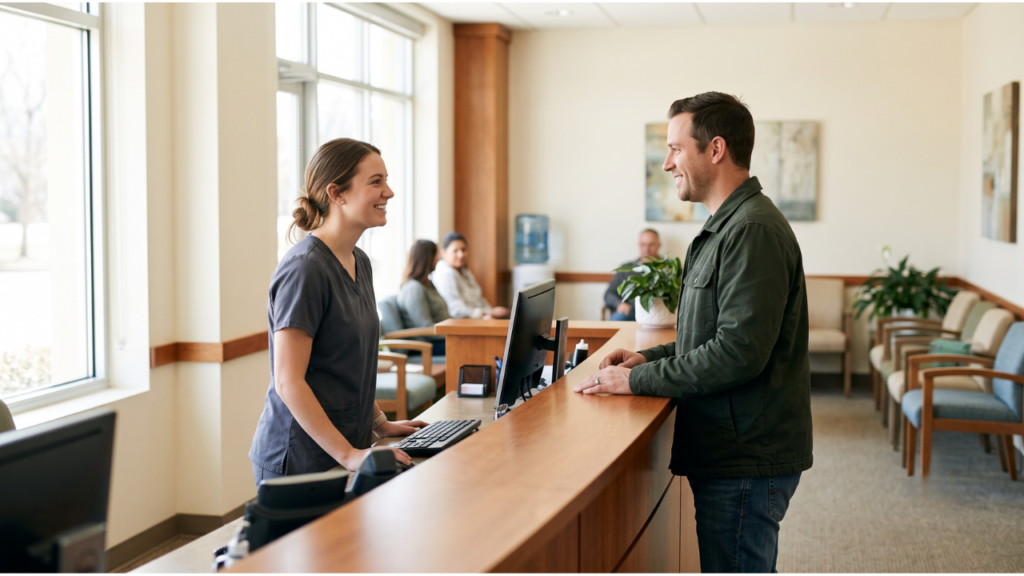
- Walk in during operating hours — no appointment needed
- Tell the front desk you’d like STD testing (you don’t need to explain further)
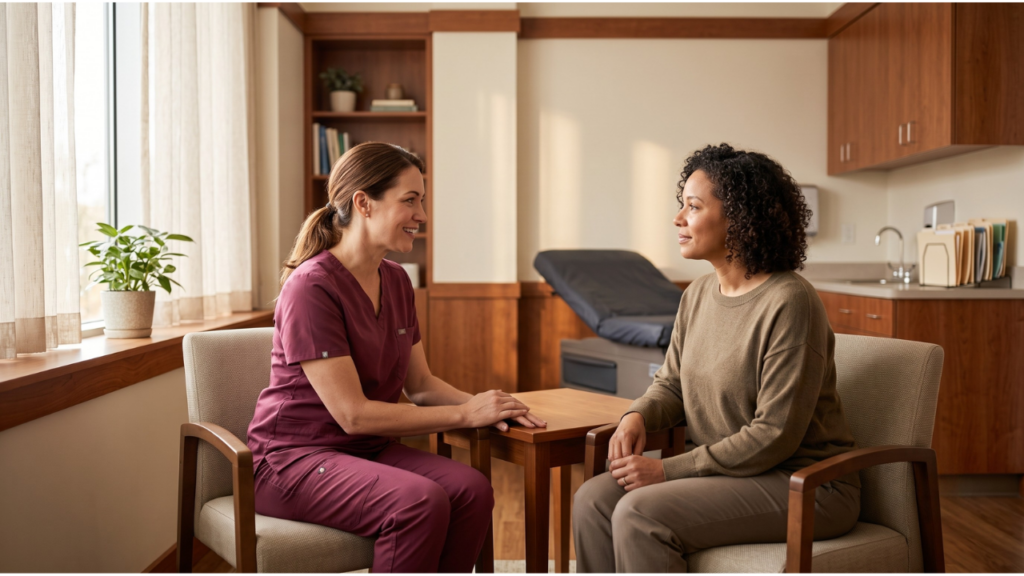
- Meet privately with a provider who’ll ask about symptoms, exposures, and what you want tested
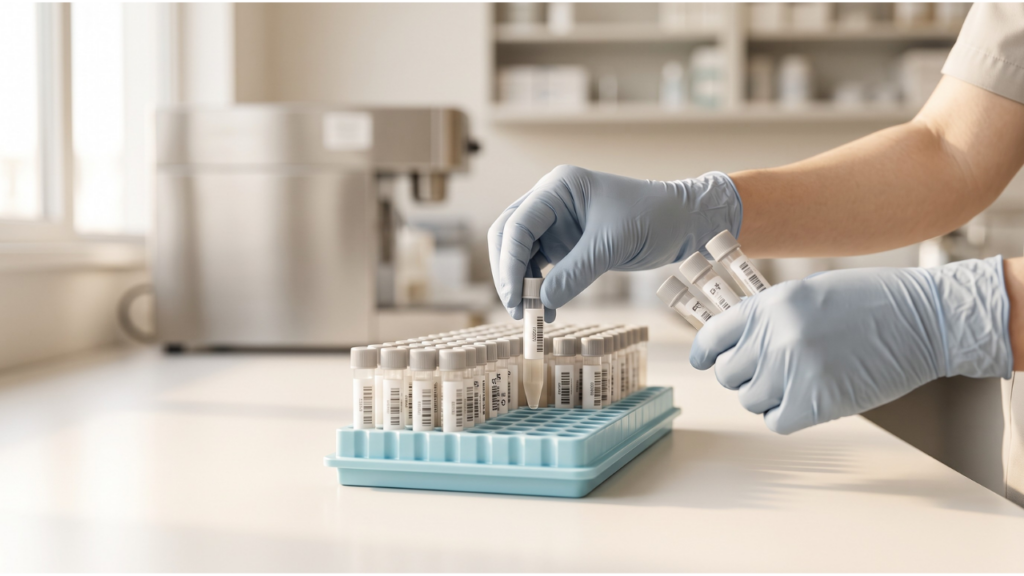
- Provide samples — urine, blood, or a swab depending on the test
- Get results and, if needed, treatment or a prescription
The whole visit typically runs 30-45 minutes.
Why People Choose Urgent Care for STD Testing
- No appointment or referral — the wait between deciding and doing is minutes, not weeks
- Evening and weekend hours — testing outside work hours, without explaining an absence
- Privacy — no relationship with a family doctor to navigate
- On-site treatment — many STIs can be treated the same visit
- Same place, other concerns — symptoms that turn out not to be an STI (like a UTI) get handled in the same visit
- Judgment-free — providers do this routinely; it’s a medical test like any other
What Gets Tested
Testing is typically tailored to your situation, but a standard panel commonly includes:
- Chlamydia — urine sample or swab
- Gonorrhea — urine sample or swab
- HIV — blood test
- Syphilis — blood test
- Trichomoniasis — urine or swab
- Hepatitis B and C — blood test
- Herpes (HSV) — swab of an active sore, or a blood test
Your provider will recommend what makes sense based on your symptoms, type of exposure, and how long ago it was. You can also ask for specific tests.
On herpes testing: it’s more complicated than the others. A swab of an active sore is accurate; blood tests are less clear-cut and aren’t part of routine screening for people without symptoms. Your provider can explain what a herpes test will and won’t tell you.
How Soon After Exposure Should You Test?
This is the single most important thing to get right — and the most common reason results come back falsely negative.
Every infection has a window period: the time between exposure and when a test can reliably detect it. Test inside that window and you may get a negative result even though you’re infected.
| Infection | Reliable testing window |
| Chlamydia | 1-2 weeks |
| Gonorrhea | 1-2 weeks |
| Trichomoniasis | 1 week – 1 month |
| HIV (4th-gen antigen/antibody) | ~45 days |
| HIV (antibody only) | Up to 90 days |
| Syphilis | 3-6 weeks (up to 12) |
| Hepatitis B | 3-9 weeks |
| Hepatitis C | 8-11 weeks |
| Herpes (blood antibody) | 12-16 weeks |
These align with CDC STI treatment guidelines on testing timing.
What This Means Practically
- If you have symptoms, get tested now regardless of timing — symptoms mean something is happening and needs evaluation
- After a single possible exposure, a common approach is testing at 1-2 weeks for chlamydia and gonorrhea, then again around 6 weeks and 12 weeks to close the windows for HIV and syphilis
- If you have ongoing partners, restart the clock from your most recent possible exposure
- A negative test taken too early doesn’t clear you — it just means it was too soon
What the Visit Is Like
For anyone anxious about this, here’s the honest version: it’s less of an ordeal than people expect.
You’ll meet with a provider privately. They’ll ask about symptoms, when a possible exposure occurred, and what type of contact — questions that guide which tests and which sites to sample. They’re clinical questions, asked routinely, not judgments.
Sample collection depends on what’s being tested:
- Urine — for chlamydia and gonorrhea, most common
- Blood draw — for HIV, syphilis, hepatitis
- Swab — genital, throat, or rectal depending on exposure sites, or of a visible sore
If you had oral or anal exposure, mention it. Urine testing alone can miss infections at those sites, and providers can only swab where they know to look.
A physical exam may be part of the visit if you have symptoms like sores, discharge, or rash.
How Long Results Take
- Rapid HIV tests — around 20 minutes, where available
- Urine and swab tests for chlamydia/gonorrhea — typically 1-3 days
- Blood tests for syphilis, hepatitis — typically a few days
Because A+ processes tests in-house, turnaround is often faster than clinics that send everything out. You’ll be told how you’ll receive results — usually a phone call, with positives always communicated directly rather than by message.
If a Test Comes Back Positive
Most STDs are treatable, and many are completely curable.
- Chlamydia, gonorrhea, syphilis, trichomoniasis — bacterial or parasitic, and curable with antibiotics. Often a single dose or a short course.
- Herpes, HIV, hepatitis B and C — viral. Not curable, but manageable with treatment that keeps you healthy and greatly reduces transmission risk. HIV in particular has become a manageable chronic condition with modern treatment.
What happens next: your provider explains the result and treatment options privately, prescribes or administers treatment, advises on when it’s safe to resume sex, and discusses notifying partners. For infections needing specialized ongoing care, like HIV, they’ll connect you with the right specialist.
Partner notification matters — untreated partners will reinfect you, and they deserve to know. Providers can walk you through options, including anonymous notification services if that’s easier.
Is It Confidential?
Yes. Medical privacy laws protect STD testing exactly like any other medical care. A+ Urgent Care’s own FAQ states plainly that testing is confidential and results are discussed privately.
A few practical notes:
- Insurance: if you use insurance, an explanation of benefits may go to the policyholder — which matters if you’re on a parent’s or spouse’s plan. It won’t typically name the specific test, but it will show a visit. Self-pay avoids this entirely, and it’s a completely normal request.
- Reportable infections: certain STIs are reported to public health departments for tracking and partner notification. This is standard everywhere, kept confidential, and used for disease control rather than shared broadly.
- Minors: New Jersey allows minors to consent to their own STI testing and treatment without parental permission.
If privacy is a concern, say so at check-in. Staff handle it routinely.
Do You Need Testing Without Symptoms?
Yes — and this is the part people most often get wrong.
Many STDs cause no symptoms at all. Chlamydia and gonorrhea frequently produce nothing noticeable, especially in women. You can carry and transmit an infection for months while feeling completely normal. Absence of symptoms is not evidence you’re clear.
That’s why untreated infections cause real damage — pelvic inflammatory disease, infertility, increased HIV risk — quietly, over time.
CDC Screening Recommendations
- Sexually active women under 25 — annual chlamydia and gonorrhea screening
- Women 25+ with new or multiple partners — annual screening
- Sexually active gay and bisexual men — every 3-6 months
- Everyone sexually active — chlamydia, gonorrhea, syphilis, HIV, and hepatitis B at least annually, more often with new or multiple partners
- Pregnant women — screening as part of prenatal care
When to Get Tested
Get tested if you:
- Have any symptoms (below)
- Had unprotected sex with a new partner
- Had a condom break or slip
- Are starting a new sexual relationship
- Found out a partner tested positive or has symptoms
- Have multiple partners
- Are due for routine annual screening
- Are pregnant or planning to be
- Are simply unsure and want to know
“I want peace of mind” is a completely sufficient reason.
Symptoms Worth Getting Checked
Get evaluated promptly for:
- Burning or pain with urination
- Unusual discharge from the penis or vagina
- Sores, bumps, blisters, or warts on or around the genitals, anus, or mouth
- Itching or irritation in the genital area
- Pain during sex
- Unusual bleeding between periods or after sex
- Pelvic or lower abdominal pain
- Testicular pain or swelling
- Rash on the palms, soles, or body (can indicate syphilis)
- Swollen lymph nodes in the groin
- Flu-like symptoms after a possible exposure
Note that painful urination is also the classic UTI symptom — our guide on UTI symptoms and treatment covers that overlap, and a visit can test for both.
Frequently Asked Questions
Can you get tested for STDs at urgent care?
Yes. A+ Urgent Care offers confidential STI/STD testing and treatment on a walk-in basis at both Bloomfield and Cresskill locations — no appointment or referral needed. Tests are processed in-house, and providers discuss results and treatment privately.
How much does STD testing cost at urgent care?
Cost depends on which tests you need and your insurance. Many plans cover STI screening as preventive care, meaning a standard copay or less. Self-pay pricing is available and is often chosen by people who want the visit kept off an insurance statement. Call ahead for specific pricing.
How soon after exposure can I get tested?
It varies by infection. Chlamydia and gonorrhea are reliably detectable at 1-2 weeks, syphilis at 3-6 weeks, and HIV between 45 and 90 days depending on the test. Testing too early produces false negatives. If you have symptoms, get tested immediately regardless of timing.
Is STD testing at urgent care confidential?
Yes — medical privacy laws protect it like any other care. One practical caveat: using insurance may generate an explanation of benefits sent to the policyholder, which matters if you’re on someone else’s plan. Self-pay avoids this. In New Jersey, minors can consent to their own STI testing and treatment.
Can urgent care treat an STD, or just test?
Both. A+ Urgent Care provides STI testing and treatment. Bacterial infections like chlamydia, gonorrhea, and trichomoniasis are typically cured with antibiotics prescribed on site. Conditions requiring ongoing specialized care, like HIV, are treated initially and connected to appropriate specialist follow-up.
Do I need an STD test if I have no symptoms?
Yes, if you’re sexually active. Many STDs — especially chlamydia and gonorrhea — often cause no symptoms while still being transmissible and capable of causing long-term damage like infertility. The CDC recommends annual screening for sexually active people, and more frequent screening with new or multiple partners.
What STDs are tested for?
A typical panel covers chlamydia, gonorrhea, HIV, syphilis, trichomoniasis, and hepatitis B and C. Herpes testing is available but more nuanced — swabbing an active sore is accurate, while blood tests are less definitive and aren’t part of routine screening. Your provider tailors testing to your situation.
How long do STD test results take?
Rapid HIV tests can return results in about 20 minutes. Urine and swab tests for chlamydia and gonorrhea typically take 1-3 days, and blood tests for syphilis and hepatitis a few days. Because A+ processes tests in-house, turnaround is often faster than clinics that send samples out.
What if my test is positive?
Most STDs are treatable and many are curable. Chlamydia, gonorrhea, syphilis, and trichomoniasis are cured with antibiotics. Viral infections like herpes, HIV, and hepatitis are managed with treatment that keeps you healthy and reduces transmission. Your provider explains results privately, treats or prescribes, and advises on partner notification.
Should my partner get tested too?
Yes. If you test positive, partners need testing and treatment — otherwise you can be reinfected after treatment. Providers can advise on notification, including anonymous services if that’s easier. If a partner tested positive, get tested yourself even without symptoms.
Can I get tested at urgent care without insurance?
Yes. Self-pay options are available, and some people choose self-pay specifically for privacy even when insured. Call either location for current pricing before your visit.
Walk In for Confidential Testing in Bloomfield and Cresskill
Getting tested is straightforward, private, and faster than most people expect. Walk in, meet with a provider, provide a sample, and get results within days — often with treatment the same visit if something turns up.
The main thing to get right is timing. If you have symptoms, come in now. If you’re testing after a possible exposure without symptoms, wait at least 1-2 weeks for chlamydia and gonorrhea, and plan follow-up testing to close the longer windows for HIV and syphilis. And if you’re sexually active without symptoms, routine annual screening is still worth doing — many infections show no signs at all.
About A+ Urgent Care
A+ Urgent Care provides walk-in medical care across Essex and Bergen counties, with locations in Bloomfield and Cresskill open seven days a week — weekdays 8 AM to 8 PM, weekends 9 AM to 5 PM. Services include confidential STI/STD testing and treatment, illness and injury care, on-site labs and X-rays, and physicals. Led by Dr. Ajay Jetley, a board-certified emergency medicine physician with more than 15 years of experience. No appointment necessary; for any life-threatening emergency, call 911.