
Find the most effective tick repellents for 2026: clinical breakdown of DEET, Picaridin, Permethrin, and OLE, plus proper application protocols for maximum protection.


Key Takeaways:
- The best tick and bug repellents for 2026 contain EPA-registered active ingredients like DEET, Picaridin, or Permethrin—not unverified botanical sprays that may smell nice but don’t reliably prevent Lyme disease.
- Permethrin belongs on clothing and gear (where it kills ticks on contact), while DEET and Picaridin belong on skin (where they repel ticks before attachment)—using both creates layered protection.
- When prevention fails and you find a tick, A+ Urgent Care locations in Bloomfield and Cresskill offer same-day evaluation, tick removal, and prophylactic treatment when CDC guidelines are met.
Table of Contents
- Why Repellent Choice Matters More in 2026
- The Difference Between Skin Repellents and Clothing Insecticides
- Top 5 Clinically Recommended Tick Repellents for 2026
- Proper Application Protocols for Maximum Efficacy
- Special Considerations for Children and Pregnant Women
- What Doesn’t Work (Despite Marketing Claims)
- What to Do If You Sustain a Tick Bite in NJ
- Frequently Asked Questions
Why Repellent Choice Matters More in 2026
New Jersey is experiencing its worst tick season in nearly a decade. CDC data shows tick-related emergency visits are running at their highest level in almost ten years, with the Northeast hit hardest. Hospital visits for tick bites are up 25% compared to last year—and peak season hasn’t even arrived.
The Stakes Are High
New Jersey ranks third in the nation for Lyme disease cases. Between 2022 and 2024, over 21,000 residents were diagnosed with the infection. Rutgers research confirms that endemic tick populations are expanding throughout Bergen County tick season and Essex County—moving from rural areas into suburban backyards.
Why Product Selection Matters
Not all repellents are created equal. The difference between an effective EPA-registered tick repellent and a marketing-driven botanical spray could be the difference between a pleasant hike and a Lyme disease diagnosis.
The CDC’s tick bite prevention guidelines are clear: use products containing proven active ingredients. The EPA’s repellent search tool helps you find registered products—but understanding what makes each ingredient effective helps you choose wisely.
The Difference Between Skin Repellents and Clothing Insecticides
Before diving into specific products, understand the fundamental distinction between the two categories of tick protection. They work differently, apply differently, and complement each other.
Skin Repellents (DEET, Picaridin, OLE)
How they work: Create a vapor barrier on skin that ticks find unpleasant. Ticks detect the repellent and avoid attaching. The tick remains alive but chooses not to bite.
Where to apply: Exposed skin—arms, legs, neck, face (carefully).
Duration: Varies by concentration and active ingredient. Typically 4-12 hours.
Key limitation: Only protects treated skin. Ticks can still crawl across untreated clothing to find exposed areas.
Clothing Insecticides (Permethrin)
How they work: Kill ticks on contact. When a tick crawls onto permethrin-treated fabric, it dies within seconds to minutes—before it can reach your skin.
Where to apply: Clothing, shoes, socks, hats, backpacks, tents—never directly on skin.
Duration: Lasts through multiple washes (6+ for spray-on, 70+ for factory-treated clothing).
Key limitation: Only protects where applied. Doesn’t help if ticks access untreated skin directly.
The Layered Approach
Maximum protection combines both:
- Treat clothing and gear with permethrin
- Apply skin repellent to exposed areas
- Dress appropriately (long pants, tucked socks)
- Conduct thorough tick checks after outdoor activity
Most effective tick spray strategies use this layered system rather than relying on a single product.
Top 5 Clinically Recommended Tick Repellents for 2026
Based on CDC recommendations and EPA registration data, these five products represent the most effective options for Lyme disease vector protection in the 2026 tick season.
Best for Clothing and Gear: Sawyer Permethrin
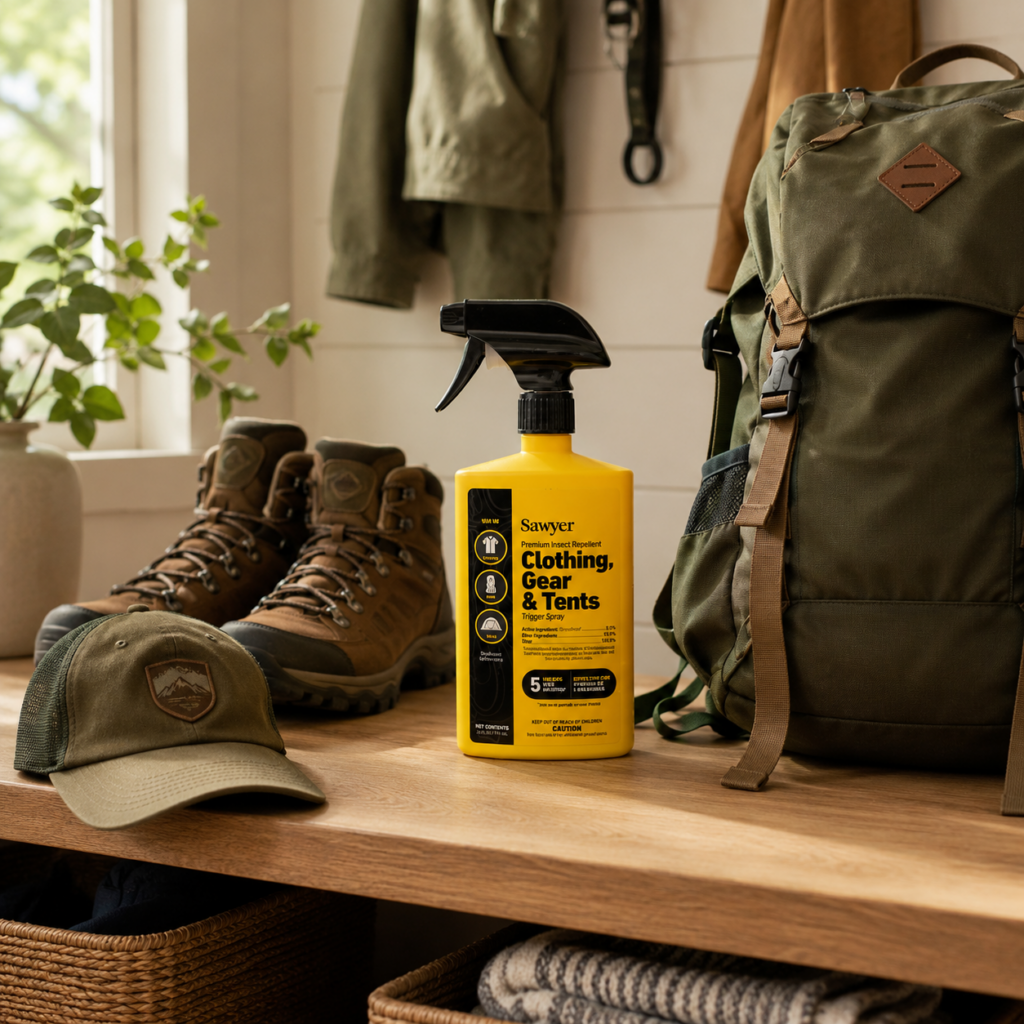
Active ingredient: 0.5% Permethrin
Why it works: Permethrin doesn’t repel ticks—it kills them. When a tick crawls onto treated fabric, it absorbs the permethrin through its exoskeleton and dies, often within seconds. The tick never reaches your skin.
Application: Spray outdoors in well-ventilated area. Treat pants (especially lower legs), socks, shoes, shirts, hats, and gear. Allow to dry completely (2-4 hours) before wearing.
Duration: Bonds to fabric fibers. Remains effective through approximately six washes or six weeks of wear.
Best for: Anyone spending time in tick habitat. Essential for hikers, gardeners, outdoor workers, and families with children who play near wooded areas.
Important notes:
- Never apply to skin
- Toxic to cats when wet; keep away from cats until fully dry
- Safe for dogs once dry
- Odorless after drying
Best Skin-Friendly Alternative: Ranger Ready Picaridin 20%
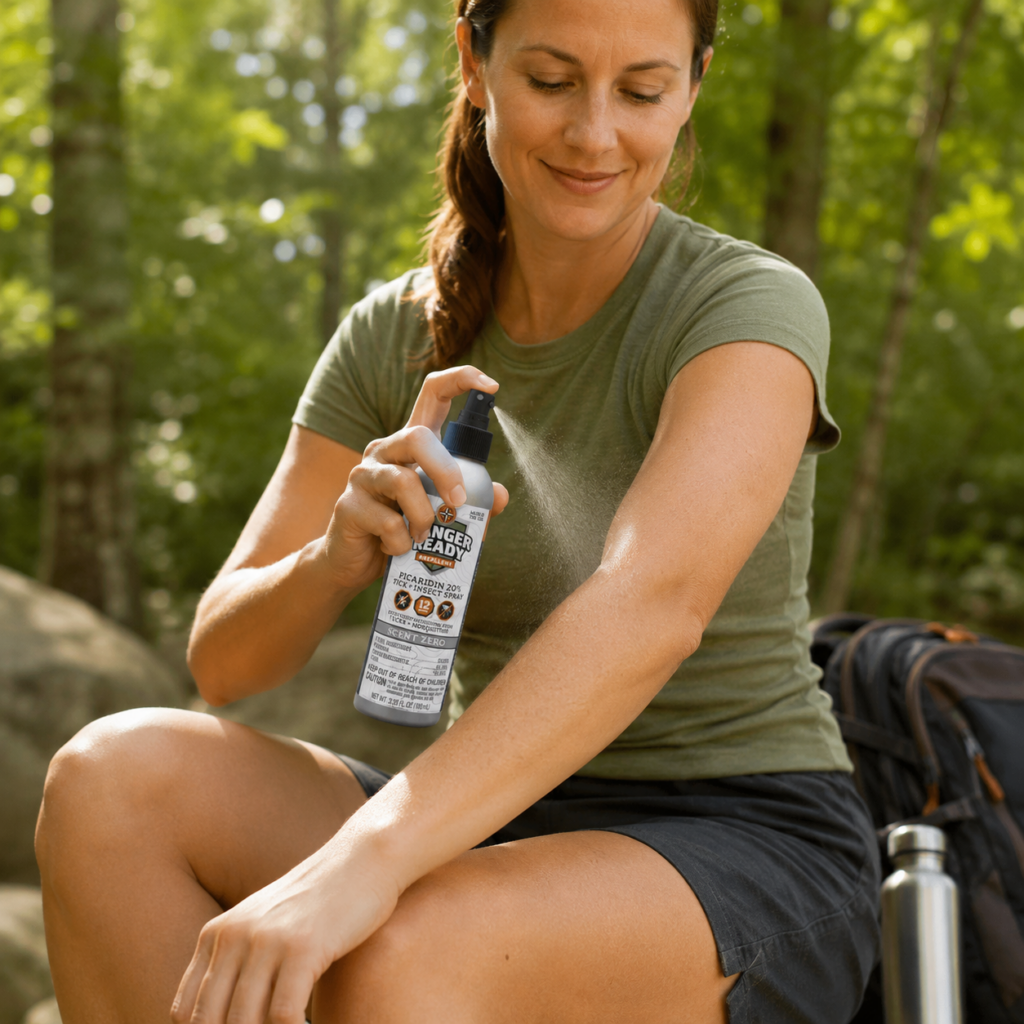
Active ingredient: 20% Picaridin
Why it works: Picaridin creates an effective vapor barrier that ticks find unpleasant, preventing attachment. Clinical studies show 20% Picaridin performs comparably to DEET for tick protection.
Application: Apply to exposed skin. Can also be applied to clothing without damaging synthetic fabrics (unlike DEET).
Duration: Up to 12 hours of protection at 20% concentration.
Best for: People who dislike DEET’s greasy feel or strong odor. Hikers with synthetic performance fabrics. Those seeking a skin-feel alternative with equal effectiveness.
Why it stands out:
- Won’t damage plastics, synthetics, or watch crystals
- Less greasy than DEET
- Nearly odorless
- Safe for children over one year
- Safe for pregnant women
Best for General Outdoor Use: Deep Woods Off! (25% DEET)
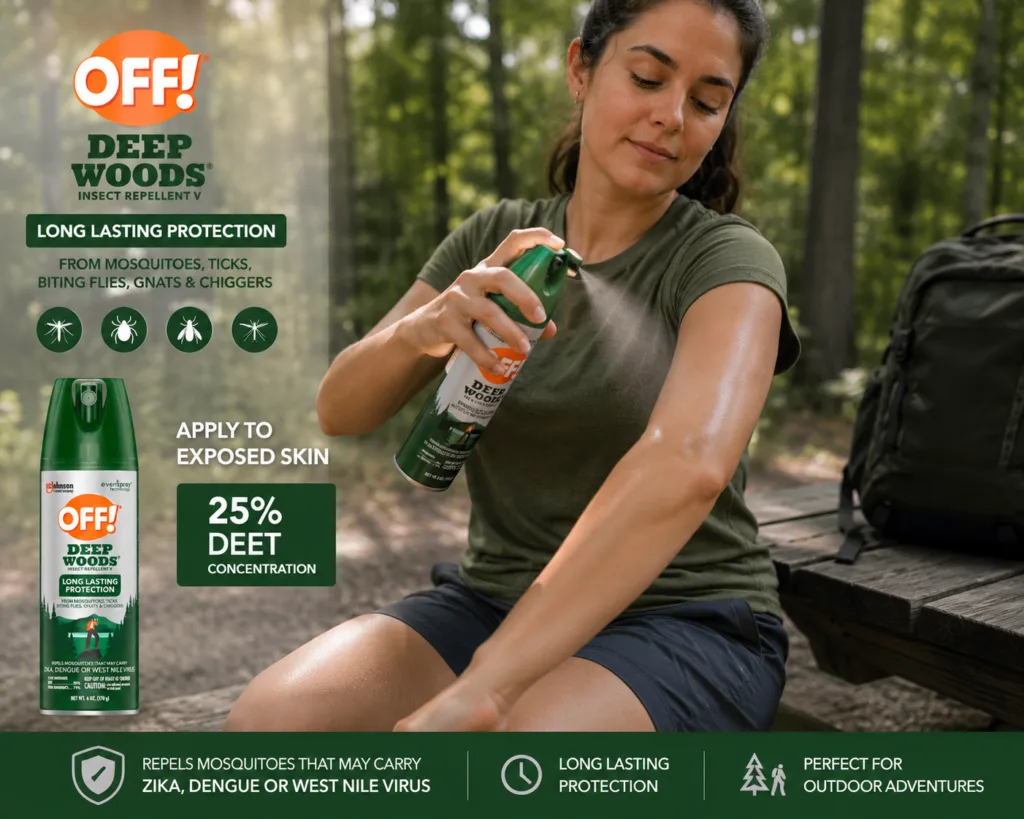
Active ingredient: 25% DEET (N,N-Diethyl-meta-toluamide)
Why it works: DEET is the most studied insect repellent in existence, with over 50 years of research supporting its effectiveness. It interferes with ticks’ ability to locate hosts, creating a protective zone around treated skin.
Application: Apply to exposed skin, avoiding eyes, mouth, and open wounds. Don’t apply under clothing.
Duration: Approximately 8 hours of protection at 25% concentration.
Best for: Routine yard work, standard hiking trails, backyard activities, camping trips. The workhorse repellent for everyday tick exposure.
Concentration guidance:
- 10-25% DEET: Adequate for most recreational activities
- 25-30% DEET: Extended outdoor exposure
- Higher concentrations don’t increase effectiveness—they extend duration
Best for Dense Brush and Heavy Infestations: Ben’s 100 (98% DEET)
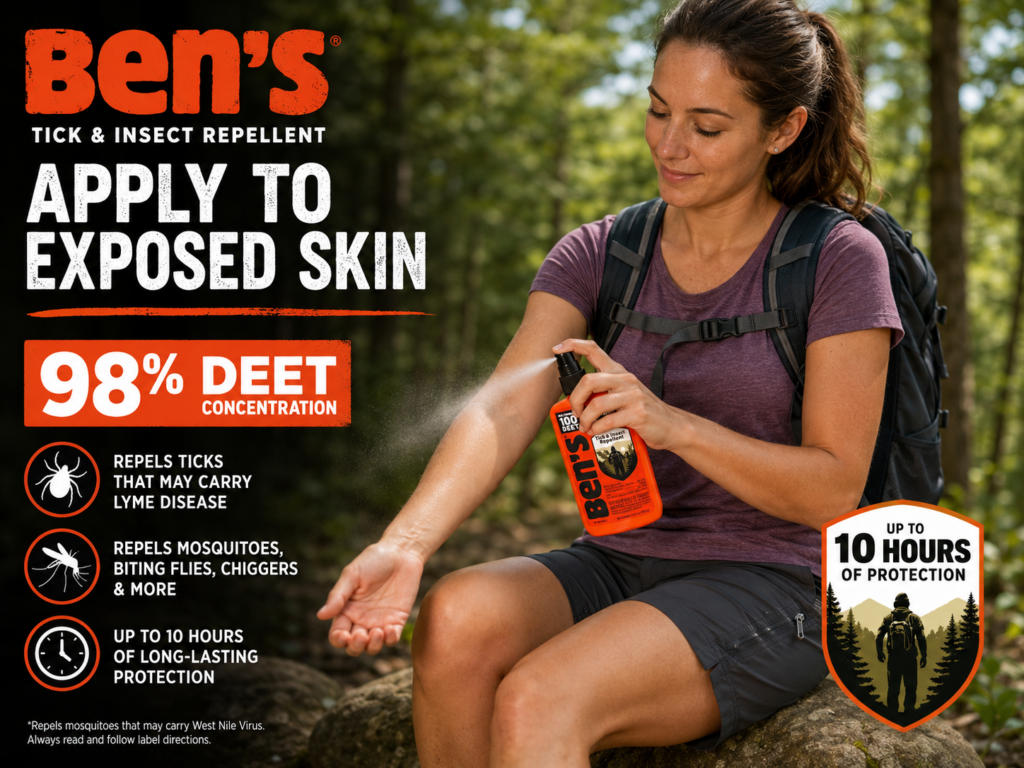
Active ingredient: 98% DEET
Why it works: Maximum concentration DEET provides the longest-lasting protection available. When you’re deep in tick territory—unmaintained trails, dense brush, areas with known high nymph stage deer tick populations—this is the heavy artillery.
Application: Apply sparingly to exposed skin. A little goes a long way at this concentration.
Duration: Up to 10+ hours of protection.
Best for: Forestry workers, trail maintenance crews, hunters, anglers, and anyone spending extended time in heavy brush or known tick hotspots. Overkill for backyard barbecues—appropriate for serious backcountry exposure.
Important notes:
- Will damage plastics, synthetics, and some watch crystals
- Apply outdoors and allow to absorb before handling gear
- Not necessary for routine exposure—save it for high-risk situations
Best Botanical Option: Murphy’s Naturals Oil of Lemon Eucalyptus 30%
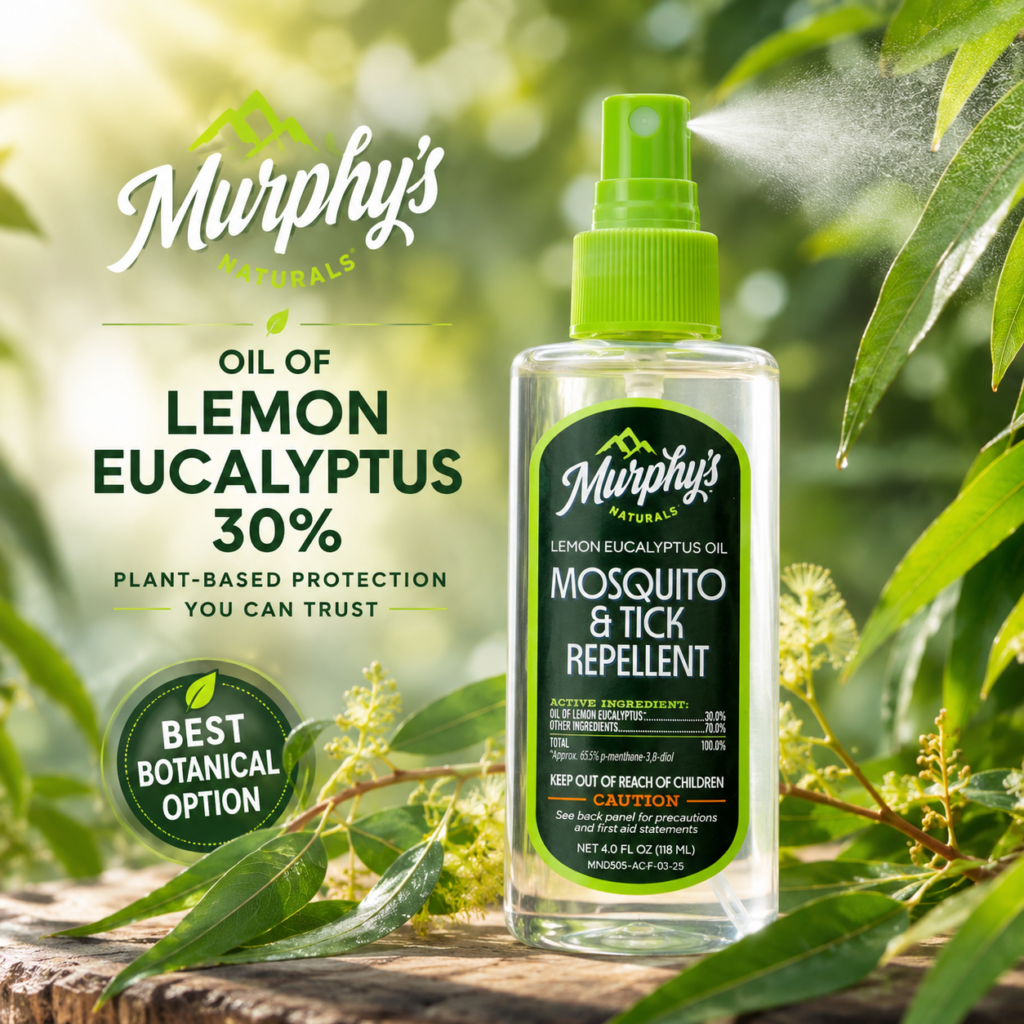
Active ingredient: 30% Oil of Lemon Eucalyptus (OLE/PMD)
Why it matters: Oil of Lemon Eucalyptus is the only plant-derived active ingredient recognized by the CDC as effective for deer tick prevention. Most “natural” repellents don’t meet this standard—OLE does.
Application: Apply to exposed skin. Reapply more frequently than DEET or Picaridin products.
Duration: Approximately 4-6 hours, depending on activity level and sweating.
Best for: Those who prefer plant-based products but still want clinically validated protection. People sensitive to DEET. Routine use in moderate tick exposure situations.
Critical distinction: OLE is NOT the same as pure lemon eucalyptus essential oil. The refining process that creates OLE/PMD is what makes it effective. Pure essential oil doesn’t provide reliable tick protection.
Limitation: Not recommended for children under 3 years old.
Proper Application Protocols for Maximum Efficacy
Having the right products means nothing if you apply them incorrectly. Follow these prophylactic tick measures to maximize protection.
Skin Repellent Application
Do:
- Apply to all exposed skin, not just ankles
- Spray into hands first, then apply to face (avoiding eyes and mouth)
- Reapply according to product directions
- Apply more frequently if swimming or sweating heavily
- Wash treated skin thoroughly when returning indoors
Don’t:
- Spray under clothing (creates skin irritation without added benefit)
- Apply over cuts, wounds, or irritated skin
- Use more than directed (higher amounts don’t increase effectiveness)
- Apply to children’s hands (they touch their faces)
- Inhale spray directly
Permethrin Application
Do:
- Treat clothing outdoors in well-ventilated area
- Focus on lower pants legs, socks, and shoe uppers
- Allow items to dry completely before wearing
- Re-treat after 6 washes or 6 weeks
- Treat both sides of fabric
Don’t:
- Apply to skin—permethrin is for fabric only
- Let wet-treated items contact cats
- Wear treated clothing before fully dry
- Forget to treat the inside of pant cuffs (ticks crawl up)
Combining Products
The DEET vs Picaridin for ticks debate misses the point—either works well. The real question is whether you’re also using permethrin on clothing.
Optimal protocol:
- Pre-treat clothing and gear with permethrin (do this before your outing)
- Apply skin repellent (DEET or Picaridin) to exposed areas before heading out
- Dress appropriately: long pants, tucked into socks, light colors
- Conduct tick checks upon return
- Shower within 2 hours
Special Considerations for Children and Pregnant Women
Protecting families requires understanding age-appropriate options and safety considerations.
Children
DEET: Safe for children over 2 months when used as directed. Use concentrations of 10-30%. Apply to children yourself rather than letting them apply their own. Avoid hands (children touch their faces).
Picaridin: Safe for children over 1 year. May be preferable for children who dislike DEET’s feel or smell.
OLE: Not recommended for children under 3 years due to skin sensitivity concerns.
Permethrin: Safe for children’s clothing once dry. An excellent option for kids who won’t tolerate skin repellents—treat their clothes and let the permethrin do the work.
Pregnant Women
DEET: Considered safe during pregnancy when used as directed. The CDC does not advise against DEET use for pregnant women.
Picaridin: Considered safe during pregnancy. Some women prefer it due to less skin absorption.
Permethrin: Safe on clothing during pregnancy (no skin contact after drying).
The risk of Lyme disease during pregnancy—which can potentially affect fetal development—generally outweighs the minimal risks of properly used repellents. Consult your OB-GYN if you have specific concerns.
What Doesn’t Work (Despite Marketing Claims)
The natural products aisle is full of tick repellents that smell pleasant and cost a lot but don’t reliably prevent Lyme disease. Be skeptical of marketing claims.
Ineffective or Unproven Options
Pure essential oils (citronella, eucalyptus, lavender, peppermint): May provide brief, minimal repellency but don’t match EPA-registered products. The “eucalyptus” in effective OLE products is refined and concentrated—pure eucalyptus oil isn’t the same thing.
Ultrasonic devices: No scientific evidence supports their effectiveness against ticks. Save your money.
Garlic supplements: The idea that eating garlic repels ticks is a myth. Ticks don’t care what you had for dinner.
Brewer’s yeast or B vitamins: Another myth. No clinical evidence supports internal supplements as tick repellents.
Homemade vinegar sprays: Ineffective. Vinegar doesn’t repel ticks.
Dryer sheets: Sometimes suggested for tucking into socks. No evidence they work.
How to Spot Ineffective Products
- Claims that seem too good to be true (“100% natural AND 100% effective!”)
- No EPA registration number
- Vague ingredient lists
- Reliance on testimonials rather than clinical data
- “Chemical-free” marketing (effective repellents are chemicals—even OLE is a refined chemical compound)
If you’re in tick country—and Northern NJ qualifies—use products with proven track records. Your health isn’t worth gambling on marketing claims.
What to Do If You Sustain a Tick Bite in NJ
Even perfect prevention sometimes fails. You used repellent, treated your clothing, conducted a tick check—and still found one attached. Here’s what happens next.
Immediate Removal
Remove the tick promptly using fine-tipped tweezers:
- Grasp the tick as close to skin as possible
- Pull upward with steady, even pressure
- Don’t twist, squeeze, or jerk
- Clean the bite site with alcohol or soap and water
- Save the tick in a sealed container for identification
Monitor for Symptoms
Watch for these signs over the following 30 days:
- Expanding rash (especially bullseye pattern)
- Fever and chills
- Fatigue beyond normal tiredness
- Headache and stiff neck
- Muscle and joint aches
When to Seek Urgent Care
Visit A+ Urgent Care for same-day evaluation if:
- The tick was attached more than 24 hours
- You couldn’t remove the tick completely
- The tick was visibly engorged
- You develop any symptoms in following weeks
- The bite site becomes infected
For urgent care tick removal in Bloomfield (tick prevention Essex County) or tick bite clinic Cresskill NJ (Bergen County tick season 2026), both locations offer walk-in appointments with providers experienced in tick-borne illness evaluation.
Prophylactic Treatment
When CDC criteria are met—deer tick identification, 36+ hour attachment, treatment within 72 hours—a single dose of doxycycline can prevent Lyme disease.
Dr. Ajay Jetley and the A+ Urgent Care team assess each situation individually to determine appropriate treatment.
Frequently Asked Questions
What is the best tick repellent for 2026?
For most people, a combination approach works best: permethrin-treated clothing (Sawyer Permethrin) plus a skin repellent containing 20-30% DEET or 20% Picaridin. The EPA’s repellent finder tool helps match products to your specific needs. Single-product reliance is less effective than layered protection.
Is DEET or Picaridin better for ticks?
Both are highly effective against ticks at appropriate concentrations (20-30% DEET, 20% Picaridin). The main differences are practical: DEET can damage plastics and synthetics; Picaridin won’t.
Picaridin feels less greasy and has less odor. Choose based on personal preference—either provides excellent protection when applied correctly.
How do I use permethrin safely?
Apply permethrin only to clothing and gear, never to skin. Spray outdoors in a well-ventilated area. Treat pants, socks, shoes, shirts, and hats.
Allow items to dry completely (2-4 hours) before wearing. Keep wet-treated items away from cats. Once dry, permethrin is safe for humans, dogs, and cats. One treatment lasts approximately 6 washes.
Is Oil of Lemon Eucalyptus as effective as DEET?
OLE provides effective tick protection and is the only plant-based ingredient CDC-recognized for deer tick prevention. However, it requires more frequent reapplication (every 4-6 hours vs 8-12 hours for DEET/Picaridin) and isn’t recommended for children under 3.
For routine exposure, OLE is a solid choice. For extended backcountry trips, DEET or Picaridin may be more practical.
Can I use tick repellent on my baby?
DEET products are safe for infants over 2 months when used as directed—apply sparingly and avoid hands (babies touch their faces). Picaridin is safe for children over 1 year.
OLE is not recommended under age 3. For very young children, permethrin-treated clothing may be the best option, keeping repellent off skin entirely while still providing protection.
Where can I get evaluated after a tick bite in Northern NJ?
A+ Urgent Care has locations in Bloomfield (Essex County) and Cresskill (Bergen County) offering same-day tick bite evaluation, professional tick removal, and prophylactic treatment when indicated. Walk-in appointments are available without the long wait times of emergency rooms.
About Dr. Ajay Jetley & A+ Urgent Care
Dr. Ajay Jetley is a board-certified emergency medicine physician with over 15 years of clinical experience treating acute illnesses and injuries across Northern New Jersey.
As Medical Director of A+ Urgent Care, he oversees tick bite evaluations, Lyme disease assessments, and comprehensive urgent care services at locations in both Bloomfield and Cresskill.
Dr. Jetley understands that even the best prevention sometimes fails—when it does, his team provides thorough evaluation, clear communication, and evidence-based treatment.
The brand-new Bloomfield location already holds a 4.8-star rating on Google—see what patients are saying. If prevention fails and you need same-day tick bite evaluation, walk into A+ Urgent Care today.