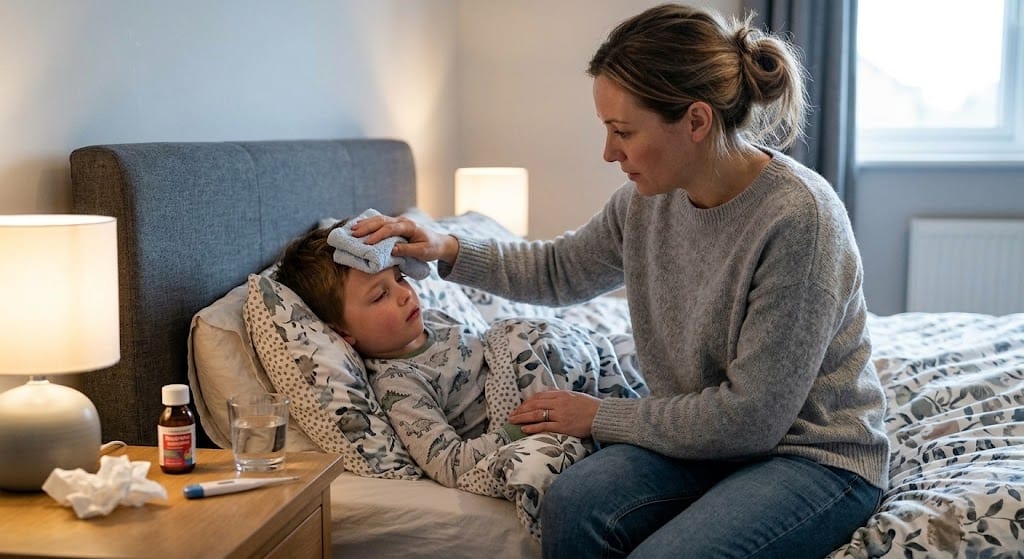
Summer is pool season, but trapped water can quickly turn a fun day of swimming into a painful outer ear infection. Learn five simple, pediatrician-approved tips to keep your kids’ ears dry and healthy, and …


Key Takeaways
- Knowing how to prevent swimmer’s ear comes down to two ideas: keep the ear canal as dry as possible, and don’t damage the delicate skin lining it. Drying the ears thoroughly after swimming, skipping the cotton swabs, and using earplugs for swim-prone kids handle most cases.
- Homemade prevention drops — a 1:1 mix of rubbing alcohol and white vinegar — can be highly effective when used before an infection starts. They should never be used if your child has ear tubes or a known punctured eardrum.
- If your child tugs at their ear and yelps, or complains of pain when you gently pull on their outer earlobe, prevention has failed. That’s the classic sign of swimmer’s ear, and walk-in urgent care can get them prescription drops the same day.
Table of Contents
- What Is Swimmer’s Ear?
- What Does Swimmer’s Ear Feel Like?
- 5 Ways to Prevent Swimmer’s Ear This Summer
- Can You Use Rubbing Alcohol for Water in Ears?
- Is Swimmer’s Ear Contagious?
- When Should I See a Doctor for Ear Pain After Swimming?
- Do I Need a Prescription for Swimmer’s Ear Drops?
- Frequently Asked Questions
- Get Same-Day Ear Pain Treatment in Bloomfield and Cresskill
Pool days, beach trips, lake afternoons — summer in New Jersey runs on water. And for thousands of NJ families, summer also runs on swimmer’s ear: that painful outer ear infection that turns up a day or two after a great swim and ruins the rest of the week.
The CDC estimates that swimmer’s ear results in millions of doctor visits each year, with most cases happening between June and August and most patients being kids.
The frustrating part is that most cases are preventable. Swimmer’s ear isn’t really about pool water being dirty (though that can play a role); it’s about water getting trapped in the ear canal, where it softens the skin and creates a warm, moist environment bacteria love.
A few simple habits dramatically cut the risk — and they’re easy enough to fold into your post-swim routine without anyone complaining.
This guide walks through five pediatrician-approved ways to keep your kids’ ears healthy this summer, the warning signs that mean prevention has failed, and where Bergen and Essex County families can get same-day treatment if an infection does take hold.
The goal is to keep your kids in the water and out of the doctor’s office — but to know exactly what to do when an ear problem does pop up.
What Is Swimmer’s Ear?
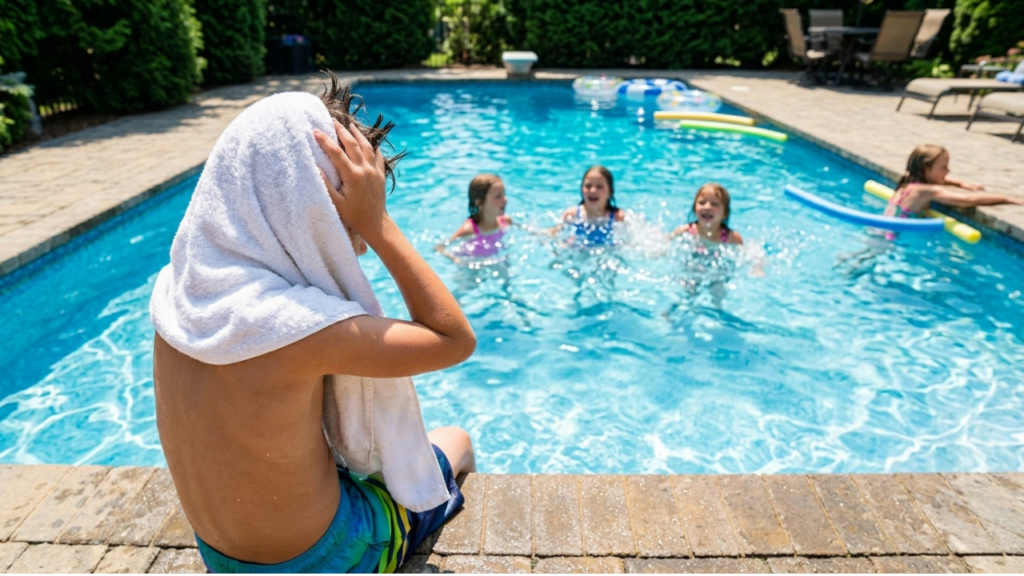
Before getting into prevention, it helps to know what’s actually happening inside the ear when an infection takes hold.
Swimmer’s ear — known medically as otitis externa — is an infection of the skin lining the outer ear canal, the tube running from the eardrum to the outside of the head. It’s different from the middle ear infections (otitis media) that toddlers often get with colds. Middle ear infections happen behind the eardrum; swimmer’s ear happens in front of it, in the canal itself.
How It Develops
The chain of events usually goes like this:
- Water gets trapped in the ear canal during swimming
- The trapped water softens the thin skin lining the canal — similar to how skin under a wet bandage gets pale and wrinkled
- Bacteria (or sometimes fungi) that normally live in the environment find that softened, moist skin a perfect place to multiply
- A real infection sets in, producing pain, swelling, and sometimes drainage
Why It’s More Common in Kids
Children get swimmer’s ear more often than adults for a few reasons:
- Narrower ear canals that trap water more easily
- More time spent in water during the summer
- More aggressive ear cleaning habits — kids and parents sometimes scrape the canal with cotton swabs
- Possible skin conditions like eczema that compromise the canal’s protective barrier
Even with all of that, the condition is genuinely preventable. The prevention strategies below address each of these risk factors directly.
What Does Swimmer’s Ear Feel Like?

Recognizing the symptoms early lets you act fast — and confirms whether you’re dealing with swimmer’s ear versus a different kind of ear problem.
Early Symptoms
In the first day or two, signs are usually subtle:
- Itching inside the ear canal
- A plugged or full feeling, like there’s still water trapped
- Mild discomfort that gets worse when the ear is touched
The Classic Pain Pattern
As the infection progresses, the pain becomes much more recognizable:
- Sharp pain that worsens when you tug on the outer earlobe — this is the hallmark of swimmer’s ear and a useful at-home check
- Pain when chewing or moving the jaw
- Pain when lying on the affected side
- Redness and visible swelling of the outer ear or canal opening
- Drainage of clear, white, or yellowish fluid from the ear
- Decreased hearing on the affected side, often because the canal is swollen shut
- Fever in more severe cases (though not always)
The Ear Tug Test
If you’re trying to figure out whether your child’s ear pain is swimmer’s ear or a middle ear infection, the ear tug test is a useful clue. Gently pull on the outer earlobe or press on the small bump in front of the ear opening.
Sharp pain with that movement strongly suggests swimmer’s ear (the inflamed canal doesn’t like being stretched). Middle ear infections typically don’t cause pain with outer ear manipulation — the pain is deeper and more constant.
This isn’t a substitute for a proper exam, but it helps you decide whether you’re dealing with the kind of infection a quick urgent care visit can handle.
5 Ways to Prevent Swimmer’s Ear This Summer
Here’s the core of the guide: five practical, evidence-backed steps to keep your kids’ ears dry and infection-free all season.
1. Dry Ears Thoroughly After Every Swim
The single most important habit. Water needs to leave the ear canal before it has time to soften the skin and let bacteria grow.
After every swim, bath, or shower:
- Tilt the head to each side to let water drain out naturally
- Pull the earlobe gently in different directions while tilting to encourage drainage
- Dry the outer ear with a soft towel — gently, no shoving fabric into the canal
- Use a hair dryer on the lowest setting, held at least a foot away from the ear, for 30 seconds per side if water still feels trapped
The American Academy of Pediatrics specifically recommends gentle drying with a towel or low-heat hair dryer after swimming. It’s free, fast, and takes about 60 seconds total.
2. Ditch the Cotton Swabs
This one is non-negotiable. Cotton swabs (Q-tips) are one of the biggest causes of swimmer’s ear, even though they’re marketed for cleaning the ears.
Here’s what they actually do:
- Scratch the delicate skin lining the ear canal, creating microscopic openings bacteria can enter
- Push wax deeper into the canal, where it traps water rather than letting it drain
- Strip away the protective wax layer that normally keeps the canal slightly acidic and hostile to bacteria
The ear canal is self-cleaning. Wax migrates outward naturally and falls out without any help. Wiping the outer ear with a towel after a shower is all the cleaning that’s needed. If you’re concerned about visible wax or buildup, talk to a provider rather than digging in with a swab.
The same caution applies to fingers, bobby pins, paperclips, ear candles, and anything else people invent for cleaning ears. Nothing belongs in the ear canal that wasn’t designed to be there.
3. Use Earplugs for Kids Prone to Infections
Earplugs aren’t necessary for every child, but they’re a meaningful tool for kids who get repeated swimmer’s ear infections or who spend hours in the water during swim team practice.
A few considerations:
- Custom-fit silicone earplugs from a pediatrician or audiologist work best — they seal completely without irritating the canal
- Drugstore swimming earplugs can work for occasional pool use, though they don’t always seal perfectly
- Pull-on swim caps that cover the ears add another layer of protection
- Avoid foam plugs designed for sleeping or noise reduction — they absorb water and can make things worse
Some pediatric ENTs are cautious about earplugs because poorly-fitted plugs can scratch the canal during insertion. If your child needs them, a quick fitting by a pediatrician or audiologist ensures the right size and technique.
4. Use DIY Preventive Drops (Before Infection, Not During)
A simple homemade solution can be remarkably effective at preventing swimmer’s ear when used regularly during swim season.
The recipe, recommended by the American Academy of Pediatrics and the Mayo Clinic:
- 1 part rubbing alcohol (70% isopropyl)
- 1 part white vinegar
- Mix in a clean dropper bottle and label clearly
How it works: the alcohol absorbs water in the canal and evaporates quickly, while the vinegar’s mild acidity discourages bacterial and fungal growth. Together they recreate the ear canal’s natural protective acidity and dry it out at the same time.
How to use it: put 3-4 drops in each ear after swimming. Have your child tilt their head to let the drops settle, wait about 30 seconds, then tilt the other way to let the solution drain out. Wipe the outer ear with a tissue.
Important safety caveats:
- Do NOT use this solution if your child has ear tubes (tympanostomy tubes) — the alcohol can be painful and damaging to the middle ear
- Do NOT use it if there’s any chance of a punctured eardrum — pain, drainage, or known history of perforation
- Do NOT use it on an existing infection — once swimmer’s ear is established, this won’t treat it and may cause significant burning on inflamed skin
- Check with your pediatrician first for kids with chronic ear problems or ongoing ENT care
Commercial preparations like Swim-Ear and Aqua-Ear use similar ingredients and are available over the counter if you prefer not to mix your own.
5. Pay Attention to Pool and Water Quality
The water itself can affect risk. Well-maintained pools with proper chlorine and pH levels keep bacterial counts low. Poorly maintained pools, hot tubs, and natural bodies of water carry higher risk.
Some practical considerations:
- Public pools in NJ are inspected regularly by local health departments; well-run facilities post their inspection grades
- Hot tubs are higher-risk because warm water grows bacteria faster and the bubbling forces water deep into ear canals
- Lakes, ponds, and rivers vary widely — check for posted warnings before swimming after heavy rain
- The CDC’s Healthy Swimming guidance offers good detail on water quality and infection prevention
- Avoid swimming with broken skin in or around the ears
For kids who swim daily — competitive swim teams, swim lessons, summer camps — the cumulative water exposure matters more than any single swim. These are the kids who benefit most from consistent post-swim drying routines and preventive drops.
Can You Use Rubbing Alcohol for Water in Ears?
Yes, with the same caveats covered above. Plain rubbing alcohol or the 1:1 alcohol-vinegar mix can be very effective at clearing trapped water and preventing infection.
How Rubbing Alcohol Works
Alcohol has two useful properties for trapped water:
- It mixes with water, so it carries water out as it evaporates
- It evaporates quickly, taking moisture with it
A few drops of plain rubbing alcohol after swimming can help dry the ear canal faster than air drying alone. Adding white vinegar gives the additional benefit of restoring the canal’s natural acidity, which discourages bacterial growth.
When Not to Use It
The same restrictions apply as with the DIY drops:
- No ear tubes
- No known or suspected eardrum perforation
- No active infection or drainage — the canal is already inflamed, and alcohol on inflamed skin burns badly
- Stop and call a provider if the drops cause significant pain or burning
If you’re not certain whether your child has had ear tubes or any history of eardrum issues, ask their pediatrician before starting any home drop routine.
Is Swimmer’s Ear Contagious?
No — and this is a common worry that parents bring up at the clinic. Swimmer’s ear is an infection caused by bacteria already present in water or on the skin, not something one person catches from another. Your child can’t pick it up from a sibling, a friend, or a teammate.
What Is Communicable
The contaminated water can be a shared exposure — if a pool has bacterial issues, multiple swimmers may end up with infections after using it. But that’s about the water source, not person-to-person transmission. There’s no need to keep an infected child away from siblings or to disinfect shared items beyond normal hygiene.
Can Kids Still Go to Camp or Daycare?
In most cases, yes. Swimmer’s ear isn’t contagious and doesn’t require isolation. The main restriction is swimming — kids with active infections should stay out of the water until cleared by their provider, typically 7-10 days.
‘Activities involving water exposure (water slides, splash pads, dunking) should also be paused. Otherwise, kids can attend school, camp, and most activities while treating the infection.
When Should I See a Doctor for Ear Pain After Swimming?
Some swimmer’s ear cases resolve with home care — particularly very mild irritation caught early. Most don’t, and waiting too long lets the infection get worse.
Walk In for Treatment If:
- The ear tug test produces sharp pain (the classic swimmer’s ear sign)
- Pain is significant enough to interfere with sleep, eating, or normal activity
- Drainage of any kind is coming from the ear
- The outer ear or canal looks visibly red, swollen, or warm
- Hearing seems reduced on the affected side
- Symptoms have lasted more than 48 hours without improvement
- Your child has had swimmer’s ear before and you recognize the signs starting again
Go to the ER If:
A small number of swimmer’s ear cases need emergency care:
- High fever (above 101°F) combined with severe ear pain
- Significant facial swelling around the ear
- Severe pain that doesn’t respond to over-the-counter pain relievers
- Signs of spreading infection — redness extending down the neck or onto the face
- Confusion, lethargy, or other systemic illness
- Any concern about a complication like malignant otitis externa (rare, typically in diabetics or immunocompromised patients)
For most kids with the standard ear-tug-and-yelp presentation, urgent care is the appropriate place. The visit is fast, the diagnosis is straightforward, and treatment starts immediately.
What Happens at the Visit
At A+ Urgent Care, a swimmer’s ear visit typically includes:
- A brief history of swimming, recent symptoms, and any ear tube history
- A look inside the ear canal with an otoscope to confirm the diagnosis
- Assessment of the eardrum to make sure it’s intact
- A prescription for antibiotic ear drops, often combined with a steroid to reduce swelling
- Guidance on pain management with acetaminophen or ibuprofen
- Clear instructions on when to follow up if symptoms don’t improve
Most kids feel significant relief within 48 hours of starting the drops.
Do I Need a Prescription for Swimmer’s Ear Drops?
For active infections, yes — and this is one of the main reasons to see a provider rather than try to treat it at home.
Prescription Treatment
Effective swimmer’s ear treatment requires antibiotic drops that target the specific bacteria typically responsible. Common prescriptions include:
- Ciprofloxacin/dexamethasone (Ciprodex) — antibiotic plus steroid, very effective and gentle
- Ofloxacin (Floxin Otic) — antibiotic alone
- Neomycin/polymyxin/hydrocortisone (Cortisporin Otic) — older combination, still widely used
These are far more effective than anything available over the counter for an active infection. They typically clear symptoms within 48-72 hours and resolve the infection completely within 7-10 days.
Over-the-Counter Options
OTC products like Swim-Ear or Auro-Dri are designed for prevention — they help dry out the canal but don’t treat an established infection. The same goes for the homemade alcohol-vinegar mix.
These tools belong in the prevention category, not the treatment category.
The Difference Matters
Trying to treat an active swimmer’s ear infection with drugstore products usually means several extra days of pain before eventually needing a prescription anyway.
For families searching for ear infection treatment Essex County or same-day doctor appointment near me, walking into a clinic at the first sign of pain is usually faster, cheaper, and far less miserable than waiting to see if home care works. Both A+ Urgent Care locations offer same-day evaluation for ear pain seven days a week.
Frequently Asked Questions
How long does swimmer’s ear last?
With proper treatment using prescription antibiotic drops, most cases improve within 48-72 hours and fully resolve within 7-10 days. Without treatment, swimmer’s ear can persist for weeks and may worsen, spreading to deeper tissues or causing significant ear canal swelling that requires more aggressive intervention.
Can my child still swim with swimmer’s ear?
No. Kids with active swimmer’s ear should stay out of all water — pools, lakes, the ocean, hot tubs — until cleared by their provider, typically 7-10 days into treatment. Swimming during an active infection prevents healing and can make things significantly worse. Even bath water should be kept out of the affected ear.
Will swimmer’s ear go away on its own?
Very mild cases caught at the earliest itchy stage may resolve with diligent drying and home preventive drops. Most established infections will not resolve without treatment and can worsen over days. Once there’s significant pain, redness, or drainage, prescription drops are the right path.
Are earplugs safe for kids?
Generally yes, with caveats. Properly fitted silicone or custom earplugs are safe for occasional or regular use. Poorly fitted plugs can scratch the canal during insertion or fail to seal effectively. For kids who swim daily or have repeated infections, a quick fitting with a pediatrician or audiologist gives you the right size and proper technique.
Can I use ear candles to remove water from the ear?
No. Ear candles have been shown in clinical studies to have no benefit and pose real risks — burns, wax blockages, and eardrum perforations. The FDA has issued warnings against their use. Stick with tilting, gentle drying, and the alcohol-vinegar drops if needed.
Why do some kids get swimmer’s ear repeatedly?
A few factors raise the risk for recurrent infections: narrower-than-average ear canals, eczema or other skin conditions affecting the canal, frequent water exposure (swim teams), aggressive ear cleaning habits, and certain anatomical variations. Kids with frequent swimmer’s ear often benefit from consistent preventive drops during swim season and may need an ENT evaluation if the pattern continues.
My child has ear tubes — can they still get swimmer’s ear?
Yes, and prevention is even more important. Kids with ear tubes should not use the standard alcohol-vinegar drops, since the solution can travel through the tube into the middle ear and cause significant pain. Talk to their pediatrician or ENT about appropriate preventive options, which may include custom earplugs and tube-safe drying products.
Where can I get same-day swimmer’s ear treatment in NJ?
A+ Urgent Care provides walk-in evaluation and prescription ear drop treatment at both Bloomfield (Essex County) and Cresskill (Bergen County) locations. Most patients are seen within 15-45 minutes and leave with a prescription sent electronically to their pharmacy. No appointment needed.
Get Same-Day Ear Pain Treatment in Bloomfield and Cresskill
Most cases of swimmer’s ear are preventable with habits that take about 60 seconds after each swim — drying the ears, skipping the cotton swabs, considering earplugs for water-loving kids, and using DIY preventive drops when appropriate. Bake those into your family’s pool routine and you’ll likely make it through the summer without an ear infection in the house.
But prevention sometimes fails, and when it does, you don’t have to spend a painful weekend waiting for the pediatrician to open Monday morning. If your child pulls on their ear and yelps, or winces when you tug gently on their outer earlobe, walk in for evaluation today. A quick exam, the right prescription drops, and most kids feel dramatically better within two days.
About A+ Urgent Care in Bloomfield and Cresskill
Parents across Bloomfield, Cresskill, and surrounding Northern New Jersey towns rely on A+ Urgent Care for the kind of medical care that doesn’t fit neatly into a pediatrician’s schedule — ear infections, sudden fevers, sprains, stitches, and the dozen other things that come up between annual visits.
Founded by Dr. Ajay Jetley, a board-certified emergency medicine physician with over 15 years of experience, the practice operates seven days a week with extended weekday hours.
On-site X-rays, labs, and a full menu of walk-in services mean most families leave with answers and treatment in a single visit. No appointment required.