Key Takeaways Table of Contents Every August, somewhere around the third week, a lot of New Jersey wakes up feeling like they caught something. Scratchy throat, congestion, sneezing, eyes that won't stop watering. It's usually …

Key Takeaways
- Ragweed is the main fall allergy trigger in New Jersey, running from mid-August until the first hard frost — often into late October or November.
- Start allergy medication before symptoms peak. Antihistamines and nasal steroid sprays work far better preventively than reactively.
- Itching is the tell. Itchy eyes, nose, and throat point to allergies; fever, body aches, and thick discolored mucus that worsens after a week point to infection.
Table of Contents
- Ragweed: The NJ Fall Culprit
- What Fall Allergies Feel Like
- The Other Fall Triggers
- Allergies, Cold, or Sinus Infection?
- What Actually Works
- Reducing Your Exposure
- When Allergies Turn Into Something Else
- When to Come In
- Frequently Asked Questions
- Walk In for Relief
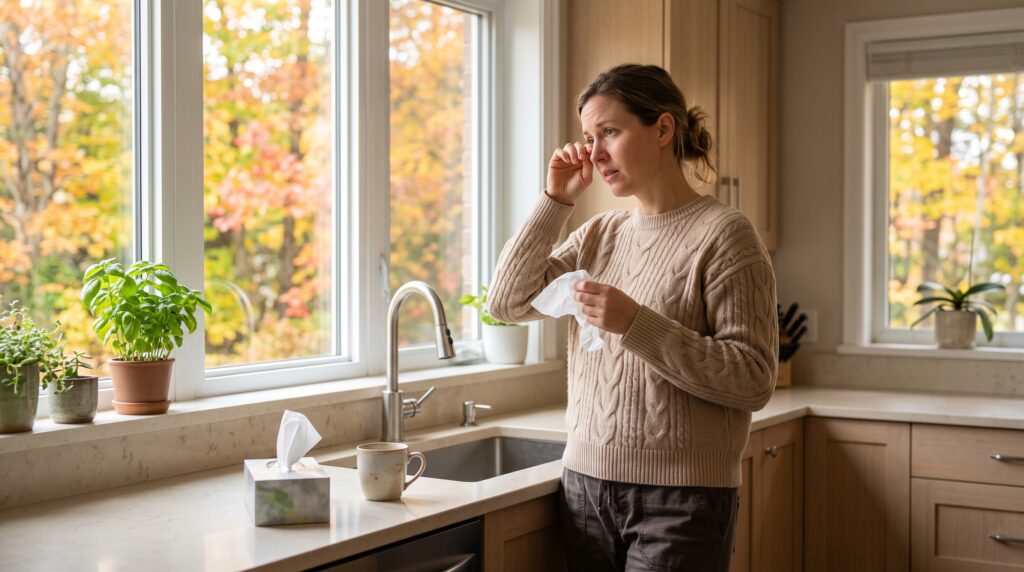
Every August, somewhere around the third week, a lot of New Jersey wakes up feeling like they caught something. Scratchy throat, congestion, sneezing, eyes that won’t stop watering.
It’s usually not a cold. It’s ragweed — and it will keep going until the first hard frost, which in this part of the state often means late October or even November. That’s two to three months of symptoms that people frequently spend misattributing to back-to-school colds.
Here’s what’s actually happening in the air, what genuinely helps, and how to tell when your allergies have crossed into something that needs treating.
Ragweed: The NJ Fall Culprit
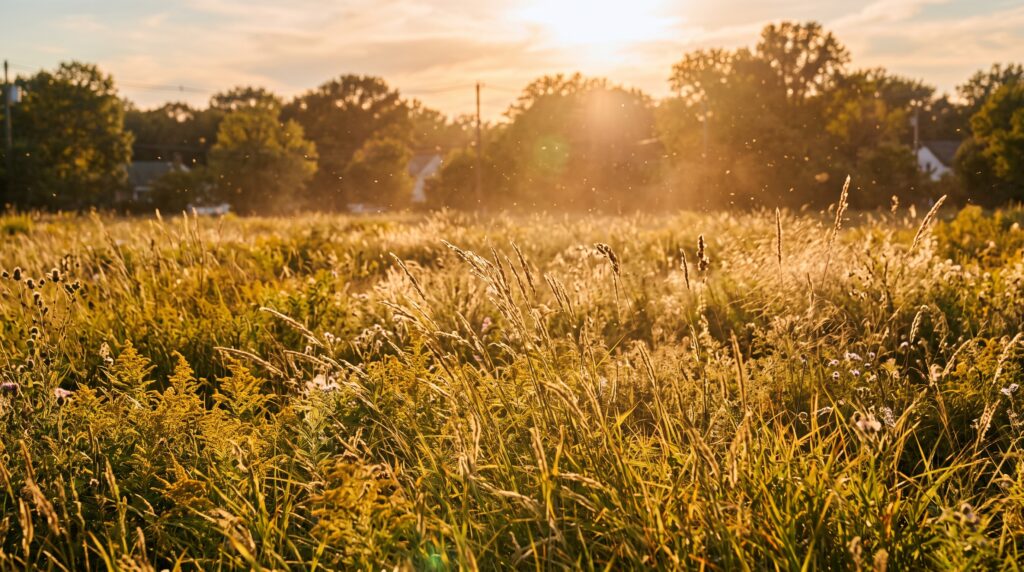
A single ragweed plant can release around a billion pollen grains in a season, and that pollen travels — hundreds of miles on the wind. You don’t need ragweed in your yard to react to it.
The New Jersey timeline:
- Mid-August — ragweed begins releasing pollen
- Early-to-mid September — peak concentrations
- October — declining but still significant
- First hard frost — the season finally ends
Pollen counts run highest in the morning, typically between 5 and 10 a.m., and on warm, dry, windy days. Rain temporarily clears the air, though counts often rebound afterward.
A useful piece of trivia: goldenrod gets blamed constantly and is almost never the problem. It blooms at the same time and is far more visible, but its pollen is heavy and insect-carried rather than wind-borne. Ragweed is the inconspicuous one doing the damage.
What Fall Allergies Feel Like
- Sneezing, often in runs
- Runny nose with clear, watery discharge
- Nasal congestion
- Itchy eyes, nose, throat, and ears
- Watery, red eyes
- Post-nasal drip and the resulting cough
- Fatigue
- Reduced sense of smell
- Dark circles under the eyes (“allergic shiners”)
Itching is the differentiator. Colds and sinus infections don’t typically make you itch. If your eyes and the roof of your mouth are itching, that’s an allergic response.
Symptoms also tend to be worse outdoors, worse in the morning, and better indoors or on rainy days — a pattern infections don’t follow.
If your eyes are the worst of it, our guide on pink eye types covers how allergic conjunctivitis differs from the infectious kinds.
The Other Fall Triggers
Ragweed dominates, but it’s not alone:
Mold — fallen leaves, damp soil, and piles of yard debris are mold factories in autumn. Raking is a classic trigger. Indoor mold in basements and bathrooms adds a year-round component.
Dust mites — as heating systems switch on, dust circulates. This is why some people’s symptoms shift indoors as fall progresses.
Other weed pollens — pigweed, lamb’s quarters, sagebrush, and mugwort all contribute.
Pet dander — worse in fall and winter simply because everyone’s inside more.
Allergies, Cold, or Sinus Infection?
| Allergies | Cold | Sinus Infection | |
| Itching | Yes — hallmark | Rare | Rare |
| Fever | Never | Sometimes mild | Possible |
| Body aches | No | Common | Sometimes |
| Mucus | Clear, watery | Thickens over days | Thick, discolored |
| Facial pressure | Mild | Mild | Significant |
| Duration | Weeks to months | 7-10 days | 10+ days or worsening |
| Onset | Immediate on exposure | Gradual over days | Often follows a cold |
| Pattern | Better indoors/rainy days | Steady progression | Worsens after improving |
The quick version: itching means allergies. Fever and body aches mean infection. Symptoms that improved and then got worse again mean a possible bacterial sinus infection — our sinus infection guide covers that pattern in detail.
What Actually Works
Start early. This is the single most useful thing on this page. Antihistamines and nasal steroids work substantially better when started 1-2 weeks before ragweed season than when you’re already miserable. For New Jersey, that means starting in early August.
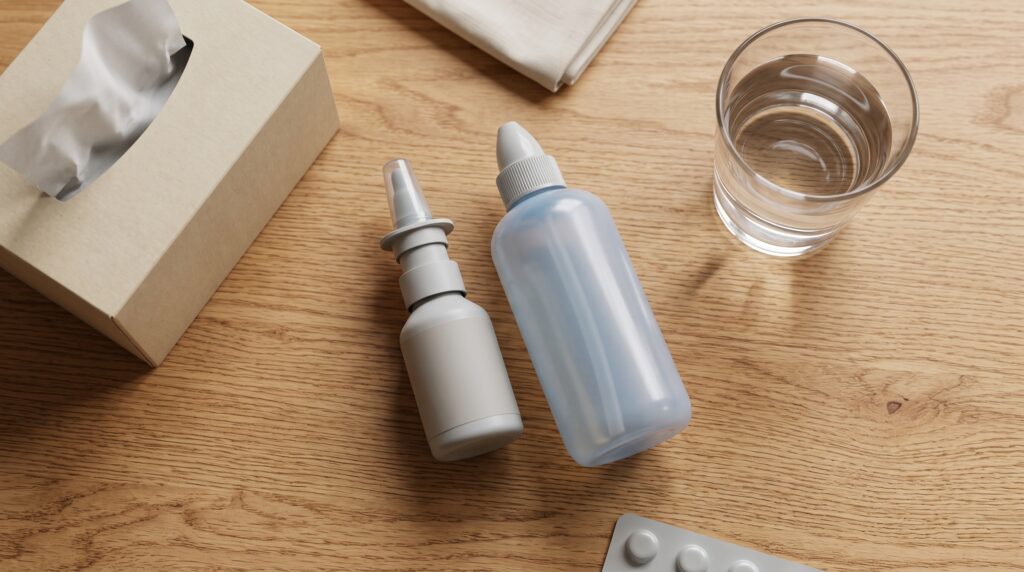
Nasal steroid sprays (fluticasone, triamcinolone) — the most effective single treatment for nasal allergy symptoms. Available over the counter. Two things people get wrong: they take several days to a week to reach full effect, and they need to be used daily, not as needed. Aim the spray outward, away from the septum.
Non-drowsy antihistamines (loratadine, cetirizine, fexofenadine) — effective for sneezing, itching, and runny nose, less so for congestion. Cetirizine causes drowsiness in some people. Skip diphenhydramine (Benadryl) for daily use; it’s sedating and shorter-acting.
Antihistamine eye drops — for itchy, watery eyes specifically. More effective than oral antihistamines for eye symptoms.
Saline nasal rinses — physically flush pollen out. Cheap, effective, no side effects, and they pair well with medications. Use distilled or previously boiled water, never straight tap.
Decongestants — help short-term. Nasal sprays like oxymetazoline must be limited to three days or they cause rebound congestion. Oral decongestants aren’t appropriate for people with high blood pressure.
Combination approach — most people do best with a nasal steroid plus an antihistamine, with saline rinses added.
Reducing Your Exposure
- Keep windows closed during peak season, in the house and the car
- Check pollen counts and plan outdoor activity for afternoons or after rain
- Shower and change clothes after being outside — pollen rides in on hair and fabric
- Don’t dry laundry outdoors
- Wear a mask when mowing or raking — both throw enormous amounts of pollen and mold into the air
- Run AC with a clean filter
- Wipe pets down after they’ve been outside
- Consider a HEPA filter in the bedroom
When Allergies Turn Into Something Else
Weeks of nasal inflammation genuinely raises your risk of a secondary infection — swollen passages block sinus drainage, and trapped mucus becomes a place for bacteria.
Signs it’s no longer just allergies:
- Fever — allergies never cause one
- Thick yellow or green mucus that persists (early color change alone isn’t diagnostic)
- Significant facial pain or pressure around cheeks, eyes, or forehead
- Symptoms improving, then worsening — the “double worsening” pattern
- Body aches
- Ear pain — congestion can lead to ear infection
- Symptoms not responding at all to allergy medication
- Wheezing or difficulty breathing — allergies can trigger asthma
When to Come In
Worth a visit if:
- OTC medications aren’t controlling your symptoms
- You’re not sure whether it’s allergies or an infection
- You have fever, facial pain, or thick discolored mucus
- Symptoms are interfering with sleep or work
- You have asthma and it’s flaring
- You’ve never been formally diagnosed and want to know your triggers
- Symptoms improved and then got worse
Go to the ER for: severe difficulty breathing, wheezing that doesn’t respond to an inhaler, or any signs of a severe allergic reaction like throat or facial swelling.
A provider can distinguish allergies from infection, prescribe stronger treatment if OTC options aren’t enough, treat a secondary infection, and help you build a plan for next season.
Frequently Asked Questions
When is ragweed season in New Jersey?
Mid-August through the first hard frost, often late October or November. Pollen peaks in early-to-mid September. Counts are highest in the morning between 5 and 10 a.m., and on warm, dry, windy days.
How do I know if it’s allergies or a cold?
Itching is the key. Itchy eyes, nose, and throat mean allergies; colds rarely cause itching. Colds bring body aches and sometimes fever, which allergies never do. Colds resolve in 7-10 days; allergies persist for weeks and improve indoors or after rain.
Why do my allergies get worse in September?
Ragweed pollen peaks in early-to-mid September in New Jersey. Mold from fallen leaves and damp yard debris adds to it, and indoor triggers like dust mites increase as heating systems start up. The combination makes September the worst month for many people.
What’s the best medication for fall allergies?
Nasal steroid sprays are the most effective single treatment for nasal symptoms, though they take several days to reach full effect and must be used daily. Most people do best combining a nasal steroid with a non-drowsy antihistamine, plus saline rinses. Start 1-2 weeks before the season begins.
Can allergies cause a sinus infection?
Yes. Prolonged nasal inflammation blocks sinus drainage, and trapped mucus creates conditions for bacterial infection. Signs it’s progressed include fever, significant facial pain, thick discolored mucus persisting past 10 days, or symptoms that improved and then worsened.
Is goldenrod causing my allergies?
Almost certainly not. Goldenrod blooms alongside ragweed and is far more visible, so it gets blamed — but its pollen is heavy and insect-carried rather than wind-borne. Ragweed, which is inconspicuous, is the actual culprit.
Do allergies cause a fever?
No. Allergies never cause fever. If you have one alongside congestion and sneezing, you’re dealing with an infection — a cold, flu, or sinus infection — either instead of or in addition to allergies.
How long do fall allergies last?
Until the first hard frost kills the ragweed, typically late October into November in New Jersey. That means two to three months of potential symptoms. If yours persist past frost, indoor triggers like dust mites, mold, or pet dander are likely involved.
Where can I get help for allergy symptoms in NJ?
A+ Urgent Care evaluates allergy symptoms at both Bloomfield (Essex County) and Cresskill (Bergen County) locations, seven days a week with walk-in availability. Providers can distinguish allergies from infection, prescribe stronger treatment when OTC options aren’t working, and treat secondary sinus or ear infections.
Walk In for Relief
Ragweed runs from mid-August to frost, which is a long time to be miserable. The two things that help most: start medication early, before the peak, and use nasal steroids daily rather than as needed.
And watch for the crossover. Fever, facial pain, thick discolored mucus, or symptoms that improved and then reversed all suggest an infection has set in on top of the allergies — and that’s the point where a visit gets you something OTC medications can’t.
About A+ Urgent Care
A+ Urgent Care provides walk-in medical care across Essex and Bergen counties, with locations in Bloomfield and Cresskill open seven days a week — weekdays 8 AM to 8 PM, weekends 9 AM to 5 PM. Services include treatment for allergies, sinus and ear infections, illness and injury, plus on-site labs and X-rays. Led by Dr. Ajay Jetley, a board-certified emergency medicine physician with more than 15 years of experience. No appointment necessary; for any life-threatening emergency, call 911.